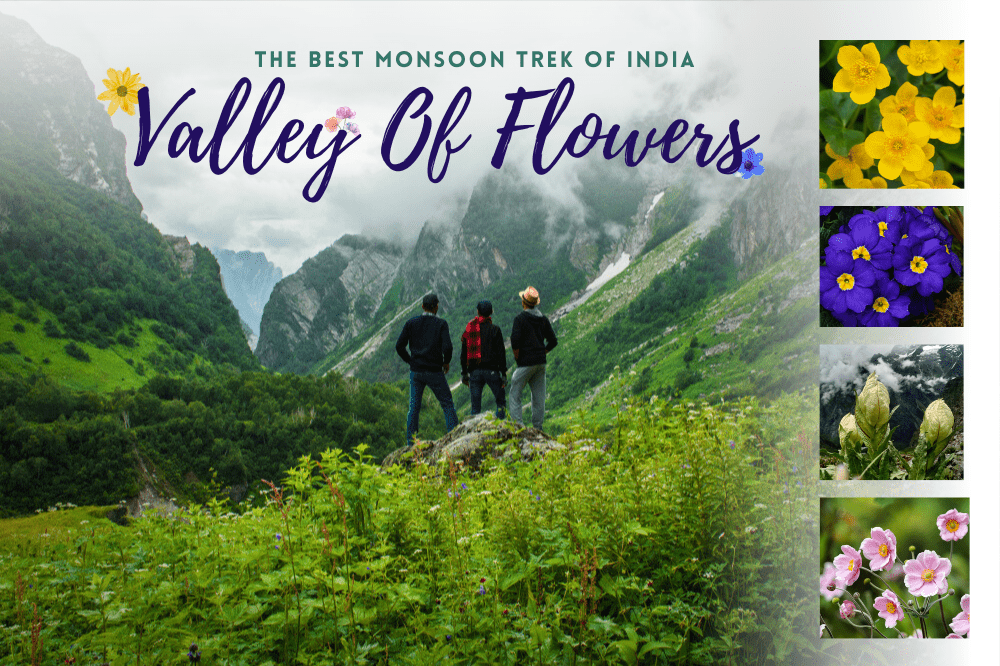
A Symphony of Petals: Entering the Floral Sanctuary
Imagine the scent of wild Blue Poppies mingling with the crisp, ozone-rich air of the high Himalayas. Your boots crunch softly on emerald moss as a kaleidoscope of pink, purple, and gold stretches toward the horizon, framed by the jagged, snow-dusted peaks of the Pushpawati Valley. This isn’t a dream; it is the reality of a UNESCO World Heritage site waiting for you.
Finding the best time to visit Valley of Flowers is the difference between seeing a green meadow and witnessing a botanical explosion. Whether you are a photography enthusiast or a soul-seeker, timing your trek is vital. This guide explores everything from seasonal blooms to the practicalities of reaching this Himalayan treasure, ensuring your journey with Wonder Bharat Holidays is nothing short of magical.
Why Valley of Flowers should be on your travel list in 2026
The year 2026 is the perfect time to reconnect with the raw, untouched beauty of Northern India. After years of restoration and improved eco-tourism management, the Valley is more pristine than ever. It offers a rare chance to disconnect from the digital noise and immerse yourself in a landscape that feels like a living painting.
For Gen Z travelers seeking “slow travel” and sustainable adventures, this trek is a badge of honor. Family travelers will find the well-maintained trails from Ghangaria accessible, while senior citizens can now utilize local porter and pony services to witness the divine beauty of the region. At Wonder Bharat Holidays, we believe the Valley is a testament to the resilience and splendor of the Indian Himalayas.

The Best Time to Visit Valley of Flowers: A Seasonal Nuance
The Valley remains closed for six months of the year due to heavy snow. The gates typically open on June 1st and close by the end of October. However, the floral density changes every week.
The best time to visit Valley of Flowers is between July and August. During this monsoon window, the alpine flowers are in full bloom, covering the meadows in vibrant colors. While trekking requires rain gear, the sheer volume of flora, including the rare Blue Poppy, is most spectacular during these two months.
The Early Bloom (June)
In June, you witness the transition. You may still see patches of snow melting away, giving way to Primulas and Anemones. The crowds are thinner, and the Pushpawati River flows with fierce, icy energy. It is an ideal time for those who enjoy a bit of ruggedness and the “awakening” of the mountains.
The Peak Spectacle (July to August)
This is widely considered the best time to visit Valley of Flowers for serious nature lovers. Despite the monsoon rains, the valley is at its most lush. Hundreds of species, including Brahma Kamal and the Himalayan Bell Flower, create a carpet of color that defies description.
The Golden Retreat (September)
As the rains recede, the flowers begin to seed, turning the valley into a sea of gold and bronze. The skies clear up, offering stunning views of the surrounding peaks that are often hidden by clouds in August.
Your Comprehensive Valley of Flowers Travel Guide
Navigating the high-altitude terrain of Uttarakhand requires more than just enthusiasm; it requires a solid Valley of Flowers travel guide strategy. The journey starts from the base camp at Ghangaria, which serves as the gateway to both the Valley and the sacred Hemkund Sahib.
- Trek Difficulty: The trek is considered “Moderate.” It involves a steep 10km ascent from Govindghat to Ghangaria, followed by a 4km walk into the Valley.
- Permits: You must obtain an entry permit at the Forest Department checkpoint.
- Acclimatization: Spend a night in Joshimath to help your body adjust to the altitude before heading higher.

Top Things to Do in Valley of Flowers and Surrounds
Beyond the flowers, the region offers spiritual and adventurous experiences that make your Valley of Flowers travel guide complete.
- Spot the Rare Blue Poppy: Known as the “Queen of Himalayan Flowers,” finding this elusive bloom is a highlight for any visitor.
- Visit Hemkund Sahib: Located 6km from Ghangaria, this high-altitude Sikh pilgrimage site sits beside a crystal-clear glacial lake. The reflection of the seven peaks in the water is a sight of immense peace.
- Explore the Biodiversity: Keep your eyes peeled for the Red Fox, Himalayan Weasel, or even the footprints of a Snow Leopard.
- Photography at the Pushpawati River: The river bisects the valley; the contrast of white glacial water against the floral banks is a photographer’s dream.
- Visit the Grave of Margaret Legge: Pay respects at the memorial of the British botanist who lost her life here, famously stating that the valley was “God’s own garden.”
Where to Stay Near the Valley: Three Tiers
Since staying inside the National Park is prohibited, all visitors must return to Ghangaria or Govindghat by evening.
| Category | Typical Accommodation | Recommended For |
| Budget | Basic Guesthouses / Dormitories | Solo Explorers & Backpackers |
| Mid-Range | Swiss Tents and Standard Hotels | Group Travelers & Families |
| Luxury | Premium Eco-Resorts (Joshimath area) | Senior Citizens & Comfort Seekers |
Note: For those booking Valley of Flowers holiday packages, we prioritize accommodations in Ghangaria that offer hot water and nutritious meals to help you recover after your trek.
How to Reach the Valley of Flowers
- By Air: The nearest airport is Jolly Grant in Dehradun (approximately 290 km away). From here, a scenic drive takes you through the five confluences (Panch Prayag).
- By Rail: Rishikesh is the nearest major railway station. It is well-connected to Delhi and other major Indian cities.
- By Road: You can drive from Haridwar or Rishikesh to Govindghat via the Badrinath Highway. The roads offer spectacular views of the Alaknanda River.
Travel Tips & Local Etiquette for the Conscious Traveler
- Leave No Trace: This is a fragile ecosystem. Carry all your plastic waste back to Ghangaria. Wonder Bharat Holidays promotes plastic-free trekking.
- Early Start: The park opens at 7:00 AM. Start early to maximize your time among the blooms, as you must exit by 5:00 PM.
- Local Cuisine: Try Aloo ke Gutke or Mandua ki Roti at local dhabas in Joshimath for a taste of authentic Uttarakhand.
- Weather Preparedness: Even during the best time to visit Valley of Flowers, the weather is unpredictable. Always carry a high-quality poncho and extra woolens.
Curated Valley of Flowers Holiday Packages
At Wonder Bharat Holidays, we understand that a trek to 14,000 feet requires precision and care. Our Valley of Flowers holiday packages are designed to provide a seamless blend of adventure and comfort. We handle everything from forest permits and experienced local guides to pony arrangements and cozy stays in Joshimath. Our itineraries are crafted to ensure you reach the heart of the valley when the blooms are at their peak, allowing you to witness the true soul of the Uttarakhand Himalayas without the stress of logistics.
Conclusion: A Journey for the Soul
The Valley of Flowers is not just a destination; it is a sensory awakening. It is a place where the mountains whisper and the earth sings in colors we rarely see in the city. By choosing the best time to visit Valley of Flowers, you gift yourself a front-row seat to nature’s most exclusive show. Whether you come for the trek, the photography, or the silence, you will leave with a piece of the Himalayas etched into your heart.
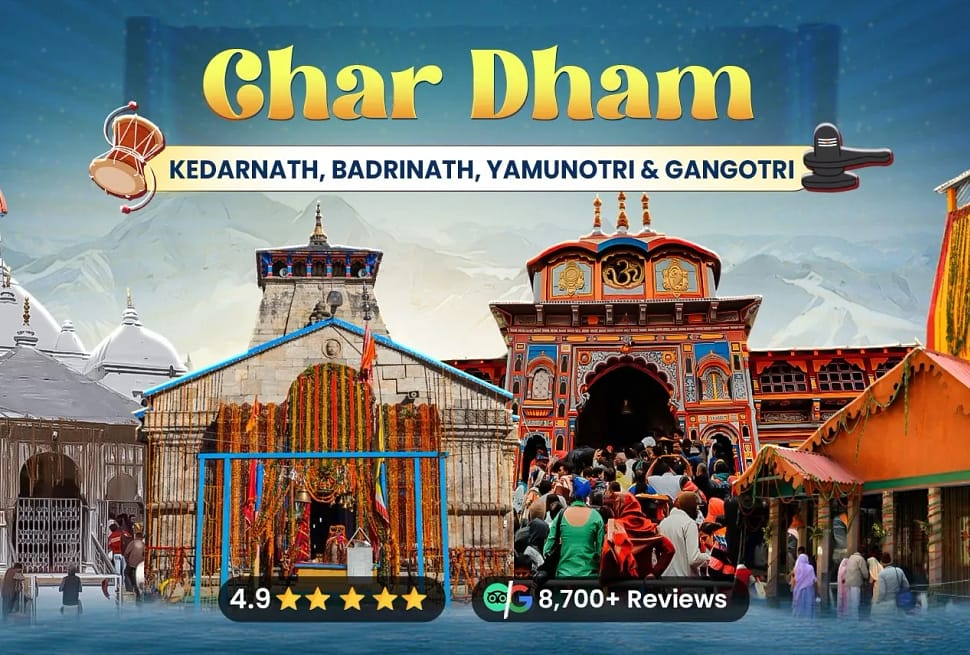
Ready to walk through the garden of the Gods? Explore our Valley of Flowers and Char Dham Packages and let the mountains welcome you home.