The air at 10,000 feet carries a different weight—it is thick with the scent of crushed pine needles, the rhythmic ringing of brass temple bells, and the icy breath of the Mandakini River. As the morning mist lifts from the jagged peaks of the Garhwal Himalayas, you aren’t just a tourist; you are a seeker on a path carved by faith over thousands of years.
Deciding on the best time for Char Dham Yatra is the first step in a journey that transcends the physical. Whether you are seeking the meditative silence of the high altitudes or the vibrant energy of thousands of devotees, timing is everything. In this comprehensive guide, we navigate the seasonal nuances, spiritual significance, and logistical essentials to help you plan an unforgettable pilgrimage.
Why the Char Dham Yatra should be on your travel list in 2026
The year 2026 marks a significant period for spiritual tourism in India. With enhanced infrastructure and the “All-Weather Road” project nearing perfection, the journey to the Himalayan shrines has become safer and more accessible than ever before.
For the modern traveler, the Yatra is no longer just a rite of passage for the elderly. Gen Z explorers are increasingly drawn to the raw, rugged beauty of Kedarnath and Yamunotri for the mental clarity that only the high Himalayas can provide. Meanwhile, families find that the shared experience of traversing these peaks fosters a unique bond that city life rarely allows. At Wonder Bharat Holidays, we believe the Yatra is a bridge between India’s glorious past and your personal spiritual future.
Decoding the best time for Char Dham Yatra
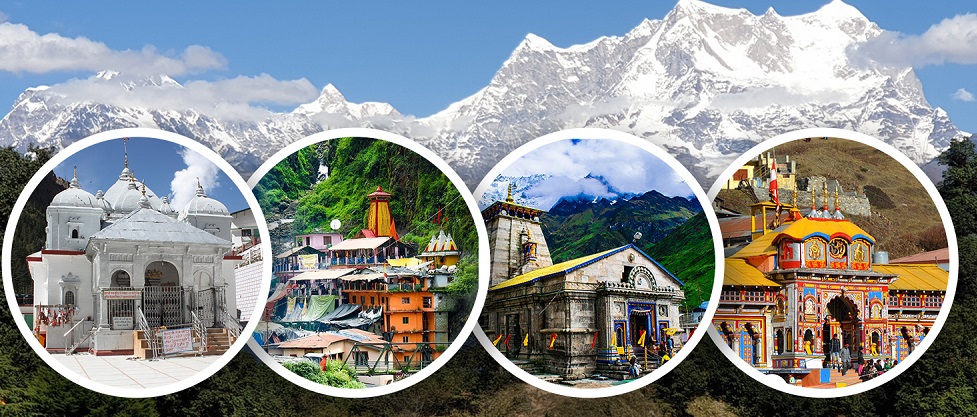
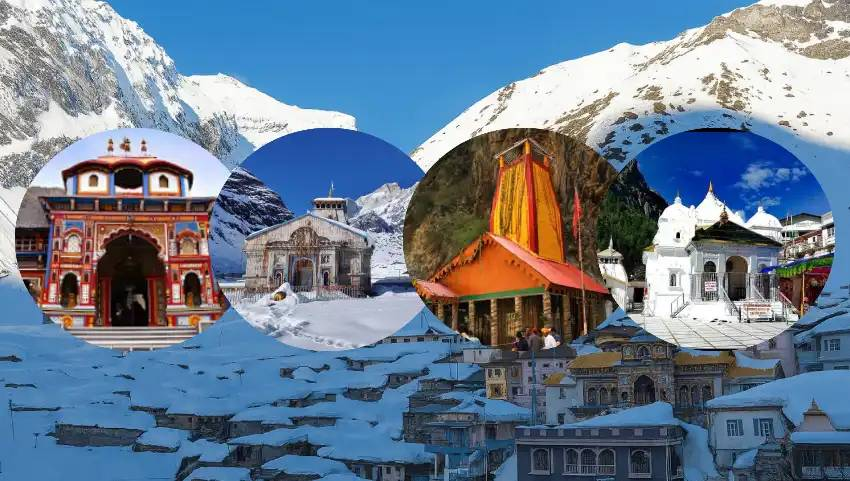
The window to visit the four shrines—Yamunotri, Gangotri, Kedarnath, and Badrinath—is limited due to extreme weather conditions. The shrines traditionally open on Akshaya Tritiya (April or May) and close shortly after Diwali (October or November).
The best time for Char Dham Yatra is from late April to June and again from September to October. During these months, the weather is pleasant, with temperatures ranging from 10°C to 20°C, ensuring safe road conditions and clear mountain views before the monsoon rains or heavy winter snow set in.
The Spring-Summer rush (May to June)
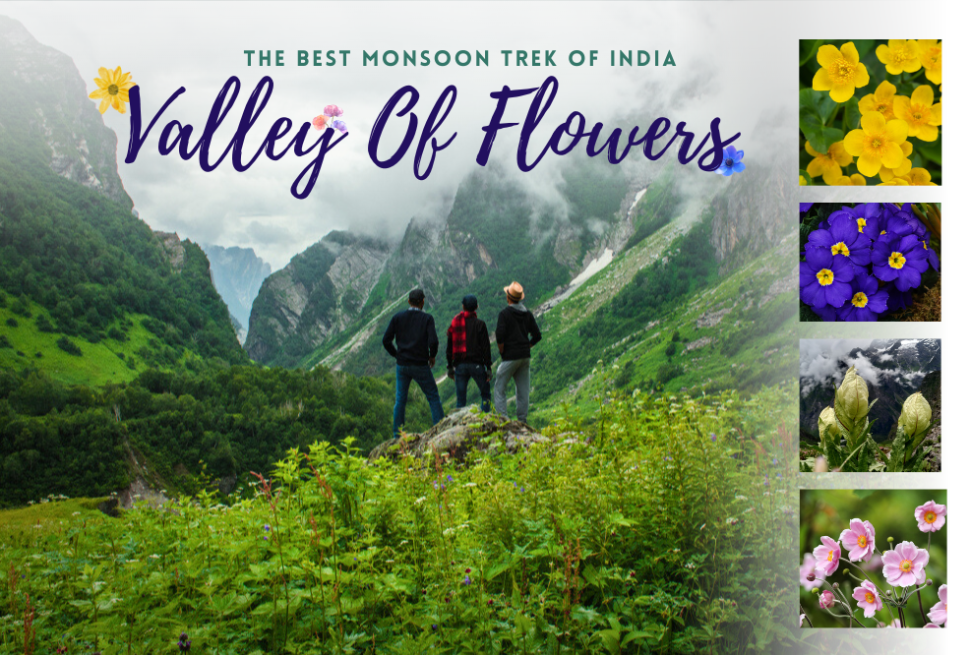
This is the most popular period. The snow has just melted, leaving the valleys carpeted in vibrant wildflowers. The temperatures are mild during the day, making the steep treks to Yamunotri and Kedarnath manageable for senior citizens and children. However, expect larger crowds and longer queues at the temples.
The Post-Monsoon serenity (September to October)
If you prefer a quieter, more introspective journey, the weeks following the monsoon are magical. The dust has been washed away, the air is crystal clear, and the views of the Himalayan peaks are at their sharpest. This is often cited as the best time for Char Dham Yatra for photography enthusiasts and solo explorers who wish to avoid the summer rush.
Your comprehensive Chardham travel guide: Route and Rituals
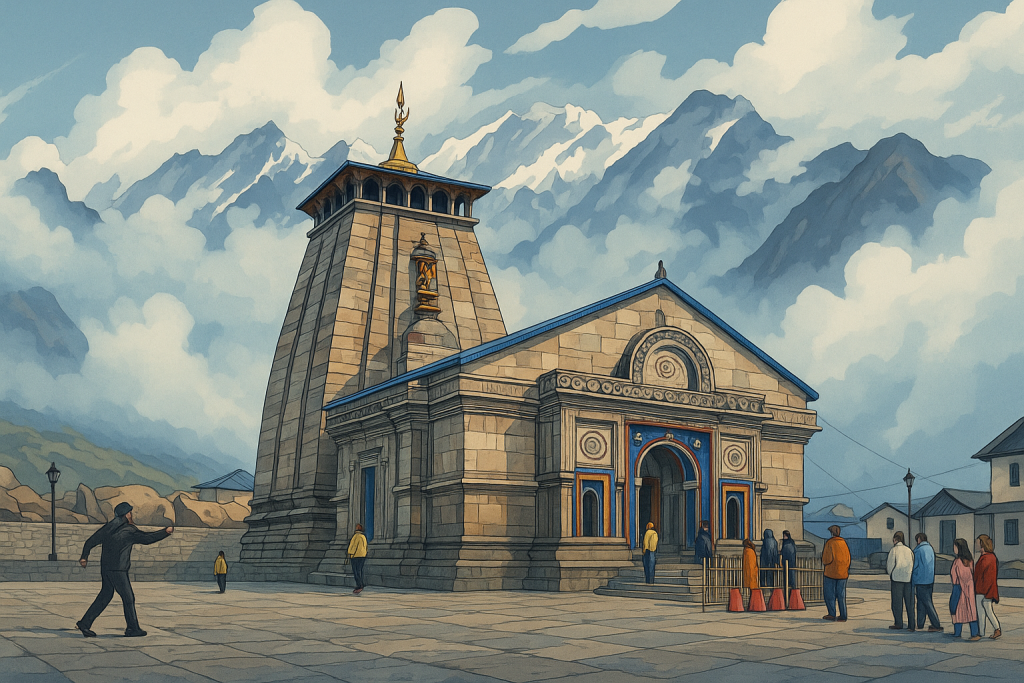
A successful pilgrimage requires meticulous planning. The traditional circuit follows a clockwise direction (Parikrama), starting from the west and moving east: Yamunotri → Gangotri → Kedarnath → Badrinath.
Preparing for the high altitude
The shrines are located at altitudes exceeding 10,000 feet. It is vital to spend a day in Haridwar or Rishikesh to acclimatize. Many Chardham holiday packages now include “buffer days” to ensure travelers do not suffer from Acute Mountain Sickness (AMS).
Registration and safety
Biometric registration is now mandatory for all pilgrims. Ensure you carry your Yatra E-Pass and keep a digital copy of your medical fitness certificate. Safety is paramount, especially on the winding roads of Uttarakhand.
Top things to do in Chardham beyond the temples
While the darshan (holy viewing) is the heart of the trip, the region offers soul-enriching experiences that many overlook. Here are the top things to do in Chardham:
- Take a holy dip in Tapt Kund: Before entering the Badrinath temple, immerse yourself in the natural thermal springs. The contrast between the freezing air and the 45°C water is invigorating.
- Trek to Vasudhara Falls: Located 9km from Badrinath, this 400ft waterfall is a hidden gem. Legend says the water turns away from those who are not pure of heart.
- Explore Mana, the Last Indian Village: Visit the Vyas Gufa where the Mahabharata was scripted. It’s a stone’s throw from the Tibetan border and offers a unique cultural perspective.
- Attend the Evening Aarti at Gangotri: Watching the lamps reflect in the rushing waters of the Bhagirathi River is a sensory experience that defines the spiritual essence of India.
- Meditate at Bhairav Mandir: A short trek above Kedarnath, this temple offers a panoramic view of the entire Kedar Valley—a perfect spot for quiet reflection.
Where to stay: Comfort in the lap of the Gods
Accommodation on the Char Dham circuit has evolved significantly. While you shouldn’t expect 5-star urban luxury at the shrines themselves, there are comfortable options for every budget.
| Tier | Accommodation Type | Locations |
| Budget | GMVN Tourist Bungalows & Dharamshalas | Barkot, Harsil, Phata, Joshimath |
| Mid-Range | Boutique Guest Houses & Semi-Deluxe Hotels | Guptkashi, Rudraprayag, Uttarkashi |
| Luxury | Premium Tents & High-end Resorts | Maneri, Sitapur, Joshimath |
Note: For those booking Chardham holiday packages, we recommend opting for hotels in Phata or Guptkashi if you intend to take a helicopter to Kedarnath.
How to reach the sacred shrines
- By Air: The nearest airport is Jolly Grant in Dehradun. From here, you can hire a private taxi or book a helicopter service, which is a popular choice for senior citizens visiting Kedarnath.
- By Rail: Haridwar and Rishikesh are the major railheads. They are well-connected to Delhi, Mumbai, and Kolkata.
- By Road: The journey is primarily by road. You can hire a private SUV or use the reliable Uttarakhand State Transport buses. The route from Rishikesh offers some of the most stunning river-confluence views in the world.
Local etiquette and travel tips
- Dress Modestly: These are highly sacred sites. Avoid shorts or revealing clothing. Carry heavy woolens even in summer, as temperatures drop sharply at night.
- Eco-Consciousness: The Himalayas are an ecologically fragile zone. Wonder Bharat Holidays encourages a “Leave No Trace” policy—please carry your plastic waste back to the plains.
- Photography: While the landscapes are breathtaking, photography is strictly prohibited inside the sanctum sanctorum of all four temples.
- Cuisine: Stick to simple, vegetarian meals. Local Pahadi food like Gahat Dal and Kandali saag is nutritious and helps with digestion at high altitudes.
Seamless Journeys with Wonder Bharat Holidays
Planning a pilgrimage of this magnitude can be overwhelming. At Wonder Bharat Holidays, we specialize in taking the logistical weight off your shoulders so you can focus on your spiritual intent. Our Chardham holiday packages are designed with a deep understanding of the terrain and the needs of diverse travelers—from helicopter transfers for the elderly to guided treks for the adventurous. We don’t just book hotels; we curate an experience that honors the sanctity of the Dev Bhoomi.
Conclusion: A Journey of a Lifetime
The Char Dham Yatra is more than a physical journey; it is a reset for the soul. The towering peaks and the ancient chants remind us of the timeless beauty of the human spirit. By choosing the best time for Char Dham Yatra, you ensure that your pilgrimage is defined by peace and devotion rather than weather-related stress. Are you ready to answer the call of the mountains?
Experience the divine with our expertly crafted itineraries. Explore our Char Dham Yatra Packages today and start your journey home to yourself.